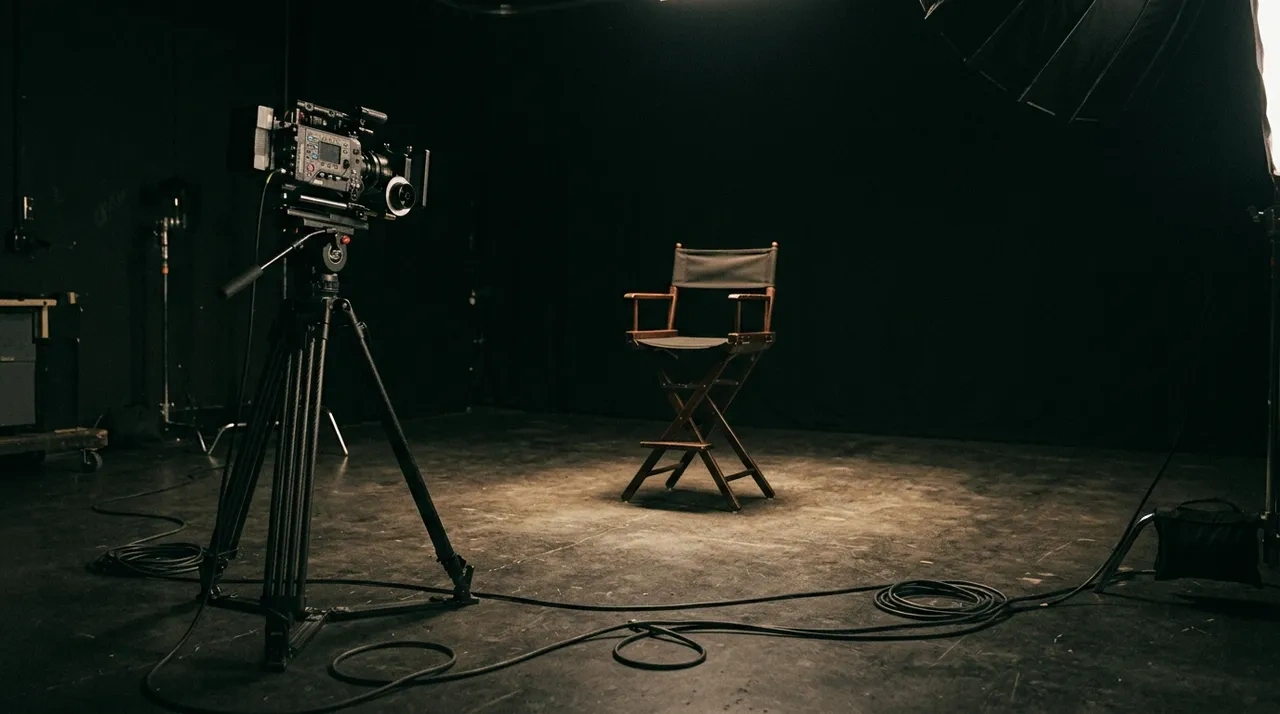
Faceless channels remove the one thing most hooks quietly lean on. When you're on camera, the viewer gives you something for free before you say a word. When you're not, that loan comes due in the first three seconds.
This isn't a reason to avoid faceless. It's a reason to understand what you're giving up, so you can pay for it on purpose.
If you haven't read the two posts before this one, they're the base: ten hook patterns and the theory of the pattern interrupt. This post is the faceless example, where the constraints change enough to be worth its own piece.
What a face was doing for you
A talking head delivers three things before the script starts, and none of them are written down:
- Identity. Who is speaking, and why they would know. A face carries an implicit credential.
- Presence. A real person, in the room, choosing to talk to the viewer. That's the seed of a para-social relationship, and a reason to stay that has nothing to do with the topic.
- Tone. Serious, funny, urgent, or calm, read off the face in a fraction of a second.
Faceless channels still owe the viewer all three. The difference is that now they cost something, and the first three seconds is where you pay them or lose the second.
So what carries attention instead
With the face gone, the load shifts onto two of the three levers, and I'd treat one of them as non-negotiable.
- Curiosity / Secret becomes the workhorse. With no face holding attention, the withheld thing has to do it. The faceless history hook is the clean example: it names what did not kill the Roman Empire and stops, and the missing noun is the only thing keeping the viewer in the frame. If you're faceless and your hook doesn't withhold something specific, you've removed both your face and your question.
- Visual Shock gets stronger, not weaker. A talking head physically can't show a frozen aqueduct at dawn. Your footage, stock or shot or generated, can. For a faceless channel this is the lever the medium hands you for free, and the one most creators under-use because it requires planning the shot before the script.
- Negative / Fear still works, with one caveat. It works exactly as in the other posts, but it's cheaper to misfire when there's no face to soften it. A threat with no follow-through reads as a scold when there's nobody on screen to take responsibility for it.
The traps that are specific to faceless
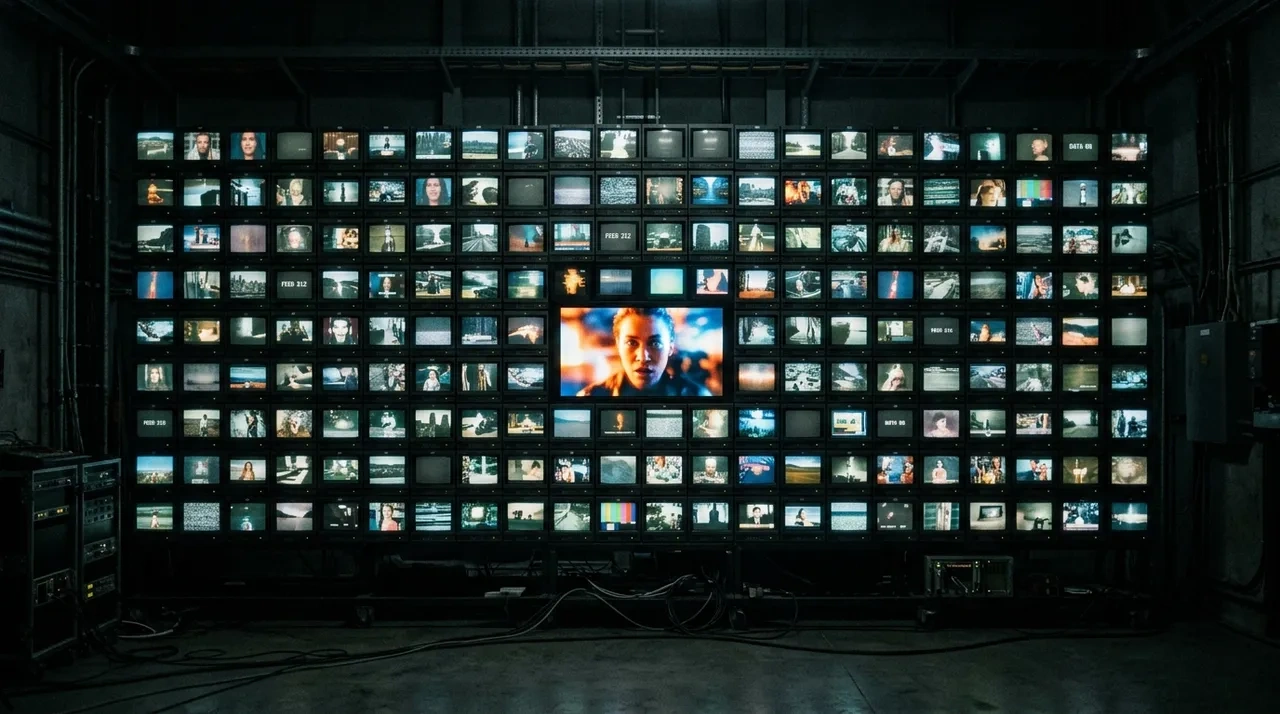
- Generic footage. The single most common faceless failure. If your opening frame is the stock clip everyone uses, it isn't an interrupt: it's the exact pattern the brain predicted and filed before you arrived. Familiarity is the enemy of the break.
- A voice with no point of view. Faceless doesn't mean impersonal. A voice-over that reports facts has no identity and no stance, which are two of the three things the face used to supply. The script has to have an opinion, and it has to have it in the first sentence.
- Hooks written as if the viewer can see you. As you can see here, let me show you, welcome back to the channel: all of these assume a person on screen. In a faceless short they're dead air in the one place you can't afford it.
- Borrowing a personality you don't have. Copying an on-camera creator's hook style, then stripping the performance out of it, leaves a hostile-sounding script. Write for the voice you actually have.
Why the script and the shot are one decision
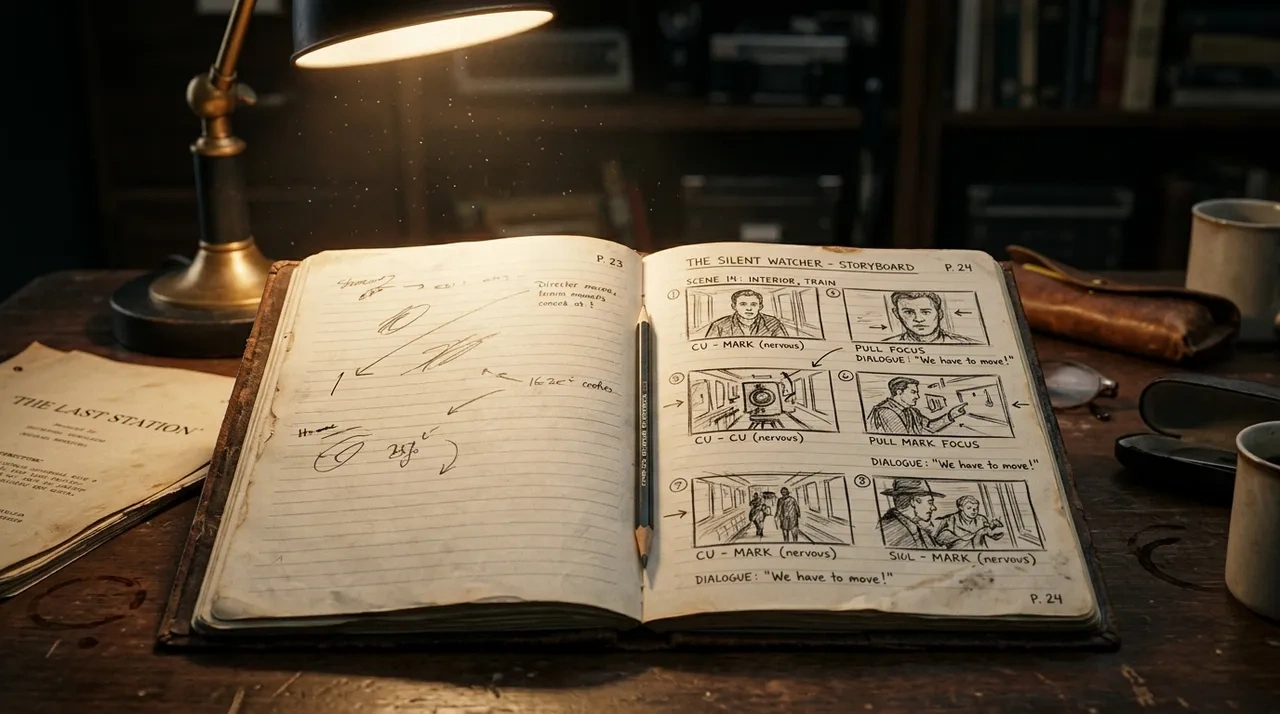
For a faceless channel this isn't a nicety, it's the whole production. There's no improvisation, because there's no performer to improvise. Every line of the hook implies a frame, and the frame has to be decided before you record the voice or generate the image.
That's also why the image and video prompts matter more here than anywhere else. A talking-head creator can shoot a hook and throw away the prompt. A faceless creator is the prompt: get the frame wrong and the line lands on nothing.
Put it together
A faceless hook that holds has the same four parts as any other: the prediction, the break, the debt, the payoff. But the break is almost always visual, and the debt is almost always a withheld noun. Plan both before the script, and the missing face stops being a disadvantage.
The example library shows the three levers applied to finished topics, and the video hook generator returns three hooks for any topic, one per lever, each with a script and the image and video prompts to build the frame. For a faceless channel that isn't a bonus feature. It's the plan.
The generator works the same way: I kept reworking the prompt until the line and the frame came back already matched. Try it with your own topic.